Fish and Seafood are favorite among our food. In addition to tasting good, some seafood can also provide good fats that are essential for the body. When we hear fat, we often think it is bad for the body. Not all fats are the same. The body also needs some good fats. Omega-3 fatty acids in particular play an important role in various functions of the body. These healthy fats are found in fish and some seafood. However, the amount of fat in any fish or seafood depends to some extent on the type of fish, where it is found and how it is cooked. So if you want to keep seafood in the food list, you can know about the following foods.
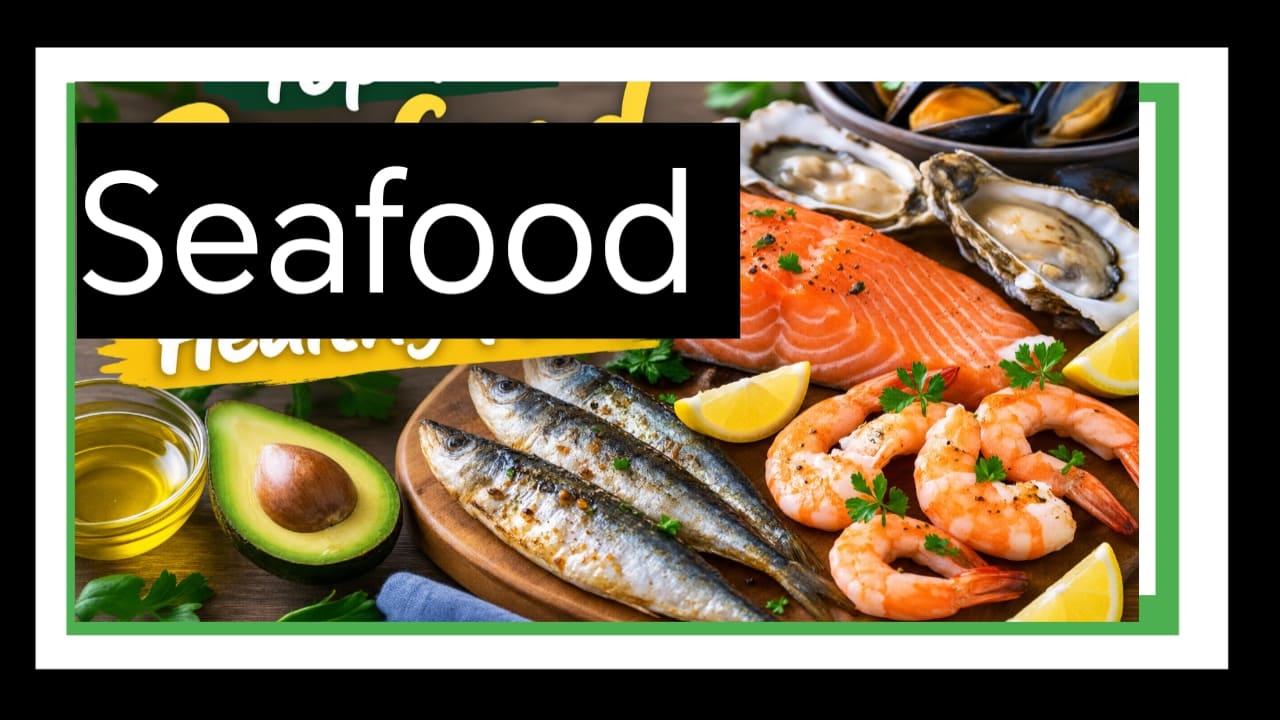
1. Salmon is one of the most well-known fish for healthy fats. It contains Omega-3 fatty acids and also provides a good amount of protein. Salmon can be included in the diet of those who eat fish regularly. But how you cook the salmon is also important. Frying in too much oil or using too much butter can increase the total calories of a meal. So it is better to grill, bake or cook in less oil. Salmon also tastes good and can easily be eaten with many types of food.
2. Sardines are small in size but very nutritious fish. It contains Omega-3 fatty acids and also provides protein. Because sardines are usually eaten as whole fish, they can also contain some important nutrients. It is also available in canned form in many places. When buying canned sardines, it is best to check the salt content and the type of oil or sauce used. If it is high in salt, it is better not to eat large amounts regularly.
3. Mackerel is also known to be a good source of healthy fats. It contains Omega-3 and tastes pretty good too. Mackerel can be eaten fried, stewed, grilled or baked. But it is better not to use too much oil while cooking. Because fish has its own fat, adding extra oil is not always necessary. Adding vegetables or salad with the meal makes the whole meal balanced.
4. Herring is another fish that contains Omega-3 fatty acids are found. This fish is eaten in different ways in many countries. It also contains protein and some vitamins and minerals that are useful for the body. Herring can be eaten cooked when found fresh, but also smoked or preserved in some places. But canned fish can be high in salt, so it’s best to check the label.
5. Tuna is a seafood known to many. It provides a good amount of protein and some types of tuna also contain Omega-3 fatty acids. Tuna can be used in salads, sandwiches or a variety of dishes. However, the nutritional value of different species of Tuna is not the same. Also, some large fish can accumulate mercury, so it is better to be aware of the amount and type of tuna rather than eating too much tuna on a regular basis. Reliable food safety guidelines should be followed when selecting fish, especially for pregnant women and children.
6. Trout looks a lot like salmon and is also known for its healthy fats. It contains both Omega-3 fatty acids and protein. Trout can be a good dish if baked or grilled without frying it in too much oil. Using lemon, some spices and vegetables with fish makes for a delicious meal without too many extra ingredients. Trout can be a good option for those who like the taste of fish.
7. Oysters are not fish but fall under Seafood and contain several important nutrients. It contains some amount of Omega-3 along with protein. Besides, Zinc, Vitamin B12 and some other minerals are available. However, eating oysters raw can pose a health risk, as undercooked shellfish can contain harmful bacteria. So it is better to eat it safely and well cooked. People who are allergic to shellfish must be careful.
8. Mussels are also one of the healthiest seafood. It contains protein, Omega-3 fatty acids, Vitamin B12, Iron and other nutrients. Mussels are usually broth,Used in soups or various types of cooking. They need to be cleaned well before cooking and should be eaten thoroughly cooked. Cooking with light spices without using extra butter or heavy sauces can keep the food relatively light.
9. Anchovies are small in size but contain Omega-3 fatty acids. Anchovies are often used in pizza, pasta, salad or sauce. Being a small fish, many people don’t think of it as a separate fish, but it can be quite useful in terms of nutrition. However, anchovies are usually preserved with salt so they can be very high in sodium. So it’s best to use in moderation, especially for those trying to cut down on salt.
10. Shrimp is a well-known seafood in our country and is loved by many. It contains a good amount of protein and some Omega-3 fatty acids. Shrimp can be lower in total fat than some other fish, so it can also be included on the list of healthy foods. But how the prawns are cooked is very important here. Frying in too much oil or using too much butter, cream or heavy sauces can increase the calorie content of food. Cooked, stewed or grilled in less oil can be a relatively good meal.
During seafood meal, you should not only look at the name of the fish or seafood, but also look at the cooking method. If a healthy fish is fried in too much oil or given too much butter and heavy sauces, the total calories and fat of the meal can be greatly increased. So if possible it is better to choose methods like grill, bake, steam or low oil cooking. Adding vegetables, salad or any other nutritious food can make the whole meal better.
Another thing is that it is not necessary to eat all fish or seafood every day. Different types of fish and seafood can be rotated in the food. There is no need to rely too much on one type of food and different nutrients can be obtained from different foods. When buying fish, check that it is fresh, properly stored and thoroughly cleaned before cooking.Although healthy fats are necessary for the body, eating too much of them is not necessarily beneficial. Food quantity is also important. You should also watch what you eat with the fish. If the fish is accompanied by too much fritters, extra oil or heavy sauces, then just because the fish is healthy does not make the whole meal healthy. So it’s better to combine everything in the food.
Salmon, Sardines, Mackerel, Herring, Tuna, Trout, Oysters, Mussels, Anchovies, and Shrimphese seafoods contain varying amounts of healthy fats and other nutrients. Some oily fish are particularly good sources of Omega-3 fatty acids. If you are in the habit of eating fish regularly, you can make them a part of your meal by paying attention to the cooking method and quantity. own age,If you have doubts about how much seafood is good to eat according to your physical condition and eating habits, it is better to consult a doctor or nutritionist.