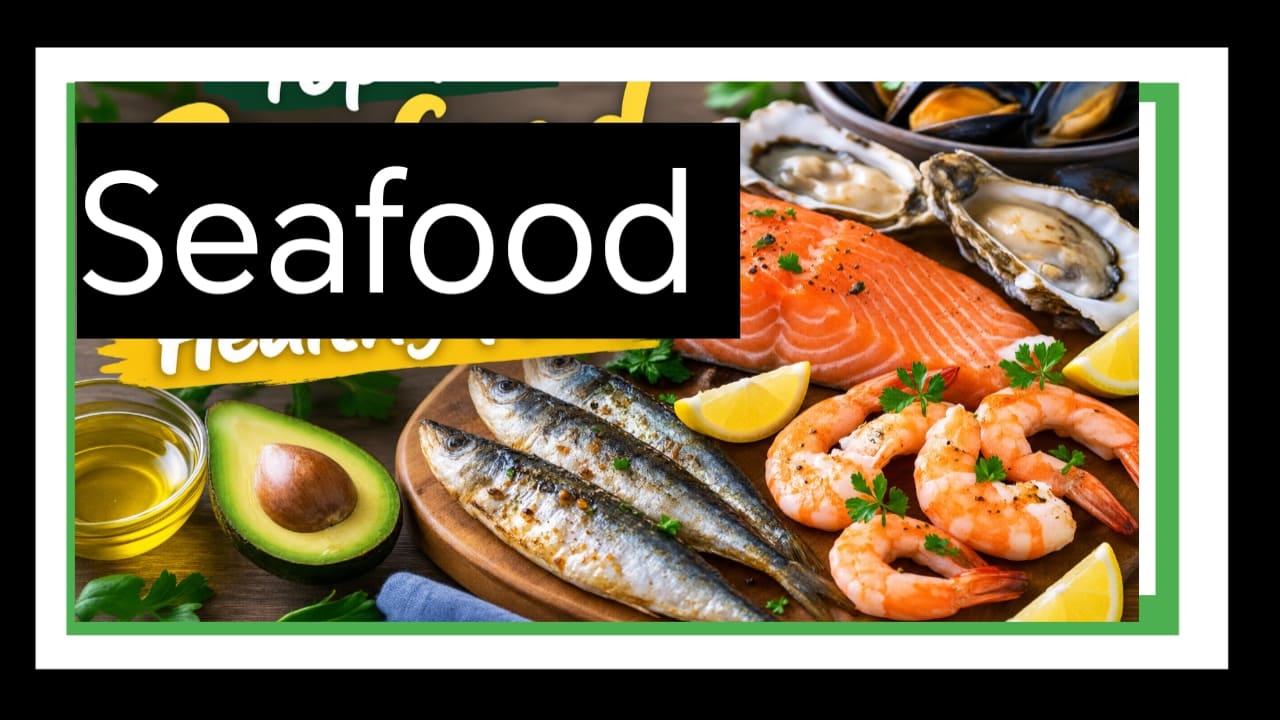
Many people like to eat seafood. Fish, prawns, crabs, oysters or other types of seafood are very good when cooked. Many of these foods contain protein and provide a variety of nutrients. But we do some mistakes while eating Seafood without our knowledge. It can range from not liking the food afterwards to stomach problems.
Many times while buying seafood, we only look at the price and how it looks. They don’t care how fresh the food is, how it’s kept or how it’s cooked. So some common mistakes should be avoided while eating seafood.
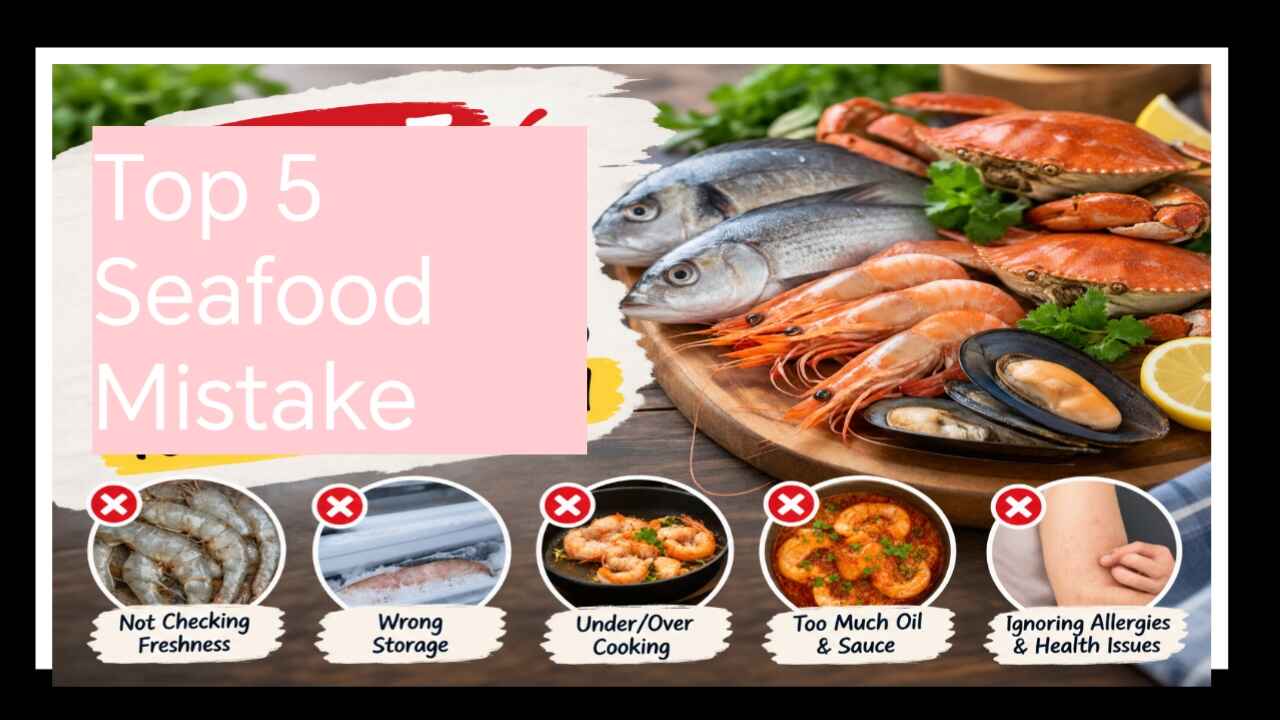
Buy seafood without checking whether it is fresh
One of the most important things when buying seafood is to see if the food is fresh. Many times we go to the market and buy fish or shrimp only if we see it. But even if it looks good on the outside, the food is not always fresh.
Fresh seafood is usually not supposed to have an unusual or very strong odor. If you buy fish, you can see whether the eyes are clear and normal, whether the flesh is firm or not. In the case of shrimp or other seafood, it is necessary to pay attention to the color and smell.
If the food smells very bad or looks unusual, then it is better not to buy it. This is because eating spoiled or improperly stored seafood can pose a risk of illness.
Seafood not stored properly
Many times we buy seafood and keep it outside until cooking. This is a common mistake. Seafood can spoil quickly, especially in hot weather.
After bringing seafood from the market, it is best to refrigerate it as soon as possible. If cooking is planned later, it must be properly refrigerated.
If it is frozen seafood, it should also be stored according to the instructions on the packet. Food that has thawed once should not be kept in the refrigerator again and again. It may spoil the quality of the food.
And you should not think that the food will be good for a long time if you keep it in the fridge. How long to eat depends on the type of food and storage conditions.
Seafood not cooked well
Another mistake when cooking seafood is not cooking properly. especially fish, shrimp,Check whether the crab or shellfish is fully cooked.
Many people cook in a hurry. Even if the outside looks cooked, the inside may not be cooked properly. So it is necessary to cook properly according to the type of food.
But it is not good to cook for a long time. Overcooking can make the fish or shrimp tough and dry. As a result, the taste of the food is also spoiled.
So it is better to keep a balance in the middle while cooking seafood. It will be cooked well, and it will not be cooked for too long.
O Using extra oils and sauces with seafood
Seafood is very healthy to eat. But if we use too much oil, butter, salt or heavy sauce while cooking, then the food is not as light as before.
Especially those who want to control weight can pay attention to how it is cooked while eating seafood. If the same fish is cooked in less oil, it will be the same, but if it is fried with more oil, the food will become much heavier.
Shrimp or fish can be grilled, baked, steamed or cooked in little oil without using too much oil while frying. It also makes the food taste better and reduces the chances of unnecessary excess oil consumption.
Of course, sometimes fried seafood can be eaten. But it is better not to make a habit of eating food cooked in too much oil daily or regularly.
Eating seafood without understanding your body’s problems or allergies
Not all types of seafood suit everyone’s body in the same way. Some may be allergic to certain seafood. Some people may experience allergic reactions especially when eating shrimp, crab or some types of shellfish.
Therefore, if you have a problem with your body after eating any seafood, you should not eat it again on your own. If you experience itching, body rash, swelling of the lips or mouth, difficulty breathing or any other unusual symptoms after eating, do not take it lightly. Severe allergy symptoms require immediate medical attention.
It is good to observe the reaction of your body when eating a new seafood for the first time.
There are some other things to keep in mind while eating seafoodApart from the above five mistakes, there are some other small things to keep in mind while eating seafood. For example, raw seafood and cooked food should not be kept in the same place. Knives, cutting boards and hands should be thoroughly cleaned after cutting raw fish or shrimp.
When eating seafood outside it is not always easy to know if the food has been stored properly. So it is better not to eat seafood from unclean or suspicious places.
And seafood does not mean that the more you eat, the more benefits you will get. Food quantity is also important. Along with fish or seafood, vegetables, pulses, fruits and other nutritious foods should also be kept in the diet.
Seafood can hold a good place in our food list. Various nutrients including protein are available from fish, shrimp, crab or other seafood. But it’s not just that the food is good, it’s also important whether it’s fresh, properly stored and how it’s cooked.
The most common mistakes when eating seafood are not buying it fresh, not storing it properly, not cooking it properly, using too much oil or sauce, and not understanding your allergies or body problems.
If these small things can be taken care of then the experience of eating seafood will be good. Be careful while buying food and clean while cooking.Maintaining cleanliness can often make a big difference.